
Barcelona
Gaudí's unfinished cathedral, the tight lanes of the Gothic Quarter, and a city beach within walking distance of it all.
Explore Barcelona →Mediterranean Discovery
From Gaudí's rooftops in Barcelona to a pink-hued medieval town tucked into the Aragón hills, this is a working guide to Spain's headline cities and the smaller places that reward a slower route.
Spain rarely reveals itself in one pass. The obvious itinerary — Barcelona, Madrid, maybe a swing south to Andalusia — covers real ground, but it skips the fishing villages of the Cantabrian coast, the whitewashed pueblos above the Costa del Sol, and the ochre towns of inland Aragón that most first-time visitors never hear about.
This guide is organised the way we'd actually plan a trip: five entry points, each covering a city or a cluster of places with enough specific detail — neighbourhoods, timing, trade-offs — to build a route around, rather than a checklist of landmarks.
Gaudí's unfinished cathedral, the tight lanes of the Gothic Quarter, and a city beach within walking distance of it all.
Explore Barcelona →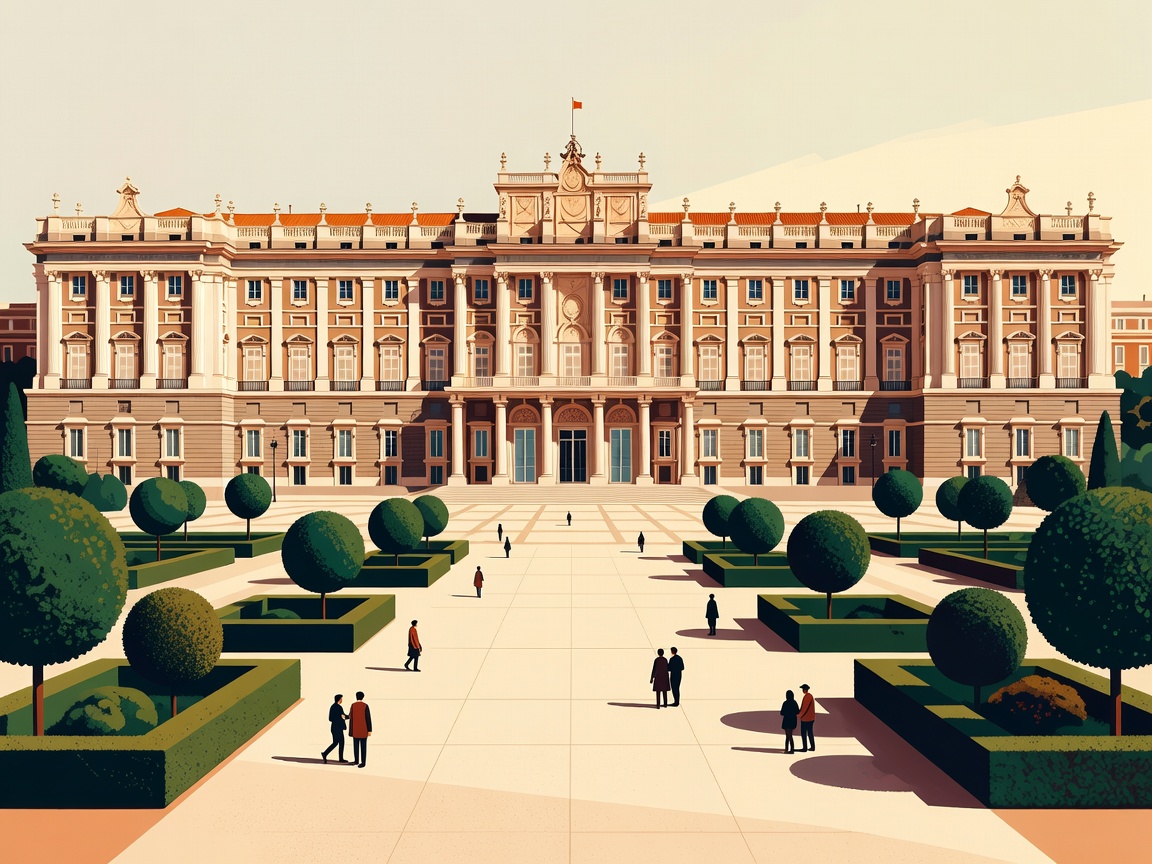
The Prado and Reina Sofía anchor one of Europe's great museum districts, framed by Retiro Park and tapas culture after dark.
Explore Madrid →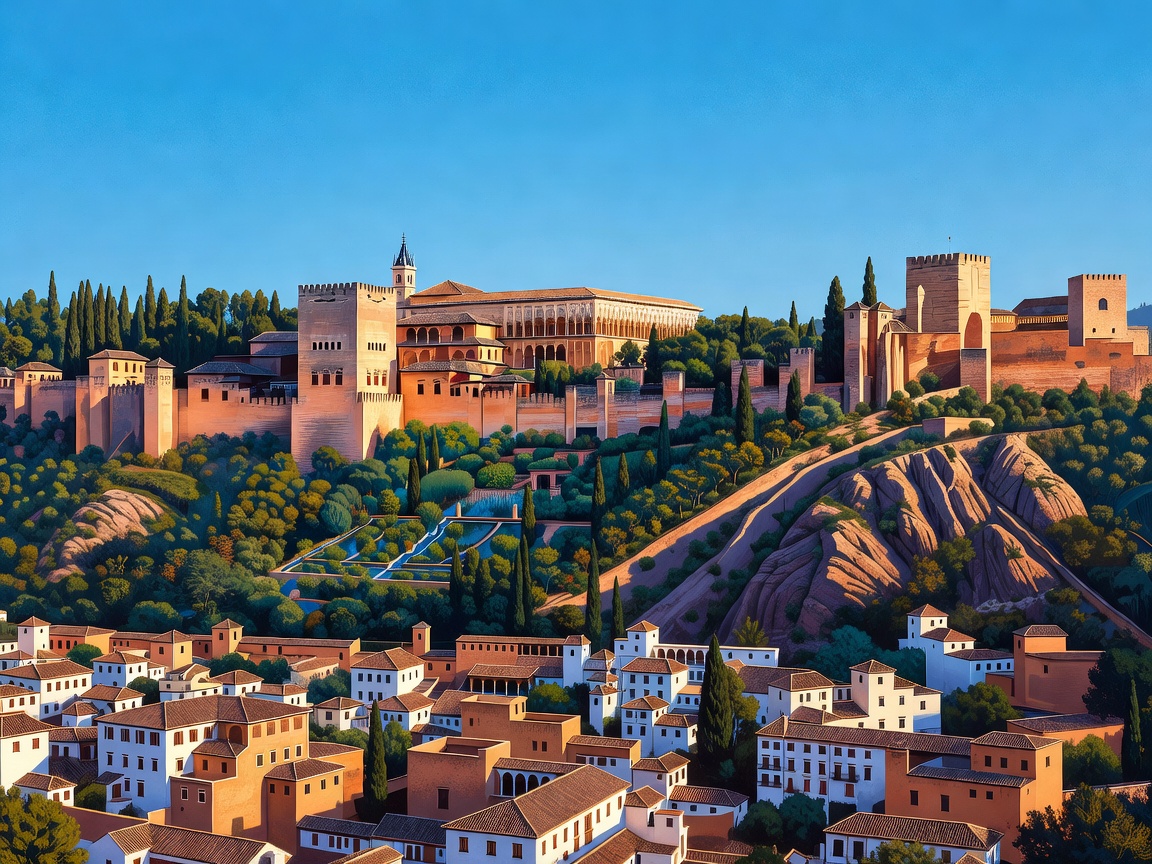
Moorish palaces, flamenco in Triana, and a Mediterranean coastline that swaps orange groves for beach towns.
Explore Andalusia →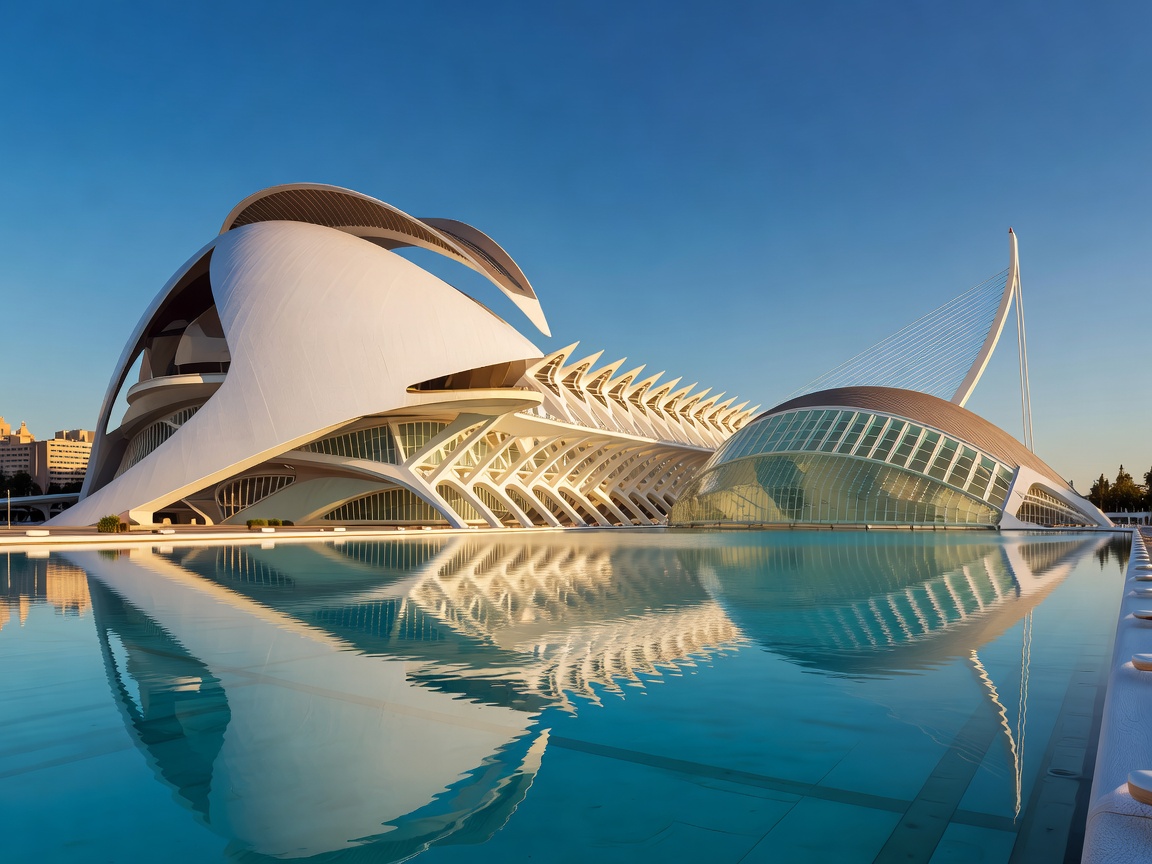
Santiago Calatrava's futurist City of Arts and Sciences, a converted riverbed park, and the birthplace of paella.
Explore Valencia →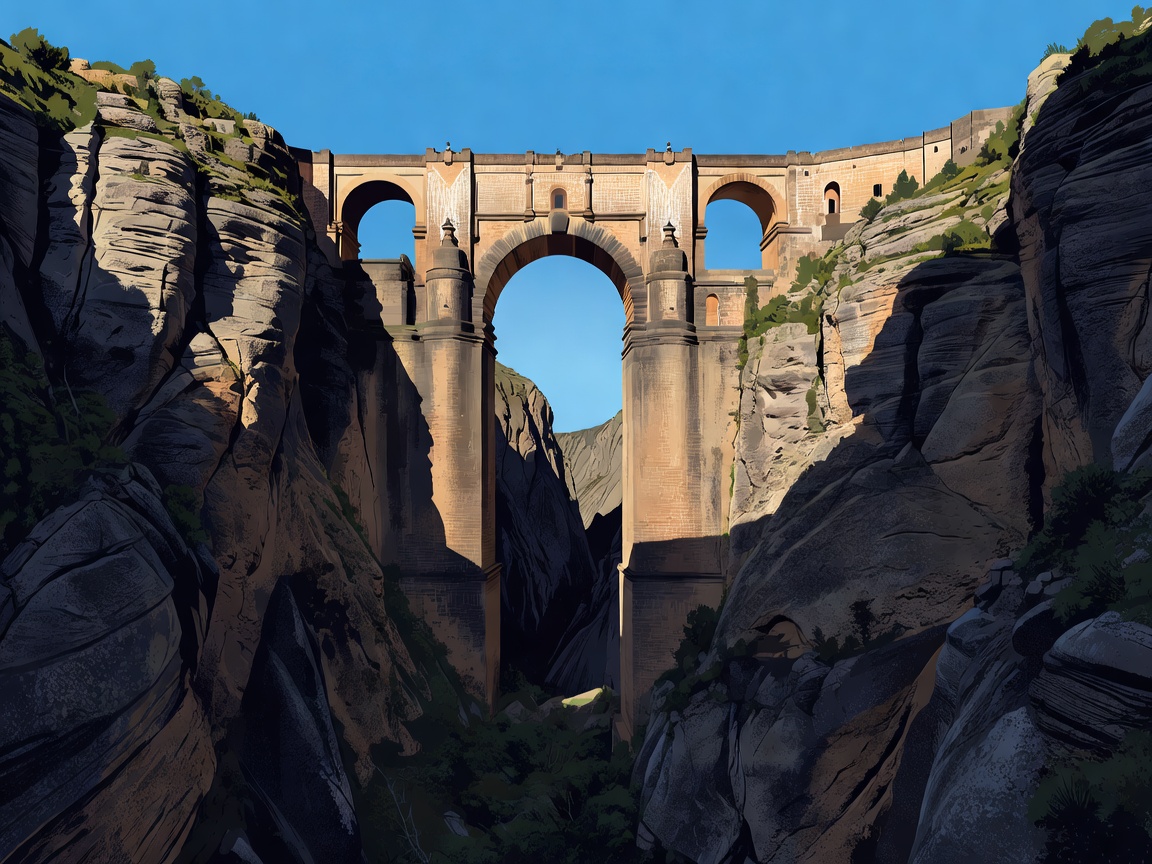
Ronda's clifftop bridge, Frigiliana's white lanes, Cadaqués' Dalí connection, Albarracín's pink stone, and Cudillero's harbour.
Explore Hidden Gems →Spain's high-speed AVE rail network makes it realistic to string together two or three cities without a rental car — Madrid to Barcelona, Madrid to Seville, and Madrid to Valencia are all direct high-speed connections that beat flying door-to-door for most travellers. Where the network gets thinner is around the hidden gems: places like Albarracín, Frigiliana and Cudillero are reached by regional bus or car, which is exactly why they stay quieter than the coastal cities.
A useful way to sequence a trip is to treat the big cities as anchors and the smaller places as day or overnight detours from them. Cadaqués works as a detour from Barcelona via Girona; Frigiliana and Ronda both work as detours from a Málaga or Seville base; Cudillero sits apart from everything else on this list, on the Asturian coast, and is best paired with a dedicated northern Spain itinerary rather than bolted onto the south.
Seasonally, April–June and September–October give the most workable balance of heat, crowds and daylight across the whole country. July and August push interior cities like Seville and Madrid into consistently high temperatures, while the northern coast around Cudillero stays mild and green for most of the year.